The energy transition poses many challenges. Why is it taking so long? How can both an oil field and a wind farm both be important? Why are we still producing oil and gas? And what matters more, the future of the environment or the future of the economy?
These are all valid questions which we ask ourselves every day. Because everything we do is aimed at helping the energy transition progress. We don’t have all the answers yet, but our innovations, technology, and the determination of our people will help get us there.
We will always keep searching for better. It’s our guarantee that we will never stop trying to improve.
These days, it seems like everyone is talking about net zero. But it’s still a term that may not be widely understood. Here at Equinor, it simply means that by 2050, our combined activities won’t result in an increase in carbon. Any emissions from continuing oil and gas production will be balanced by carbon capture and storage, and reductions elsewhere.
Currently, 99.6% of our global production is still fossil fuels, so you may ask if we really are committed to the energy transition. But it’s not that simple. The world is still a long way off being able to turn off oil and gas. And whilst last year was a record year for renewable energy production, we also experienced record levels in demand for oil and gas. So for the time being, we need to invest in both renewables and oil and gas.
But the transition isn’t going to happen overnight. And there are reasons for this. Fossil fuels currently make up more than 76% of the world’s energy consumption, and as we scale up lower carbon and renewable solutions, we will need to keep innovating to create the integrated energy systems to deliver them.
There’s also the issue that the infrastructure required to increase the usage of renewable energy will need to be massively expanded and strengthened to cope with demand.
And because existing supplies of oil and gas will begin to tail off, we need to keep searching for new supplies to replace them.
Offshore wind
Searching for better helped create the world’s largest wind farm. Hopefully it won’t be the largest for long.
We’re a global leader in offshore wind, drawing on our expertise in offshore energy to help the UK reach its net zero targets. By 2030, 7 million British homes will be powered by electricity from Equinor’s UK offshore wind farms — taking us from megawatts to gigawatts.
We already operate three wind farms at Sheringham Shoal and Dudgeon off the Norfolk coast, and Hywind Scotland. Now we’re developing a fourth, Dogger Bank, which will become the world’s largest offshore wind farm.
But we’re not stopping there. We’ll keep searching for opportunities to create new wind farms and innovations to improve our existing ones.
Searching for better ways to capture and store CO2 is helping us develop the East Coast Industrial Cluster into a global leader.
For over 20 years we have been storing carbon dioxide in reservoirs deep beneath the Norwegian North Sea, now we plan to apply the same expertise to the Humber and Teesside, to permanently store carbon dioxide this side of the North Sea too.
Right now, Equinor is an industry leader in carbon capture technology, but we have ambitions to develop even more storage licenses on both the UK and Norwegian continental shelf.
Switching from fossil fuels to low carbon hydrogen is pivotal in launching the UK on its way to net zero by 2050. Establishing a hydrogen economy in the Humber will help us support the UK’s future decarbonisation, with endless possibilities to adapt.
Searching for better ways to produce oil and gas means we have some of the lowest operating production emissions in the world.
Our cross-border oil and gas developments connect fields and infrastructure between the UK and Norway across the North Sea, unlocking otherwise stranded resources to add value on both sides of the border. These include Utgard, Barnacle and Statfjord UK. These developments are possible through innovative commercial solutions and close collaboration between partners, regulators and authorities in both the UK and Norway.
Equinor in the UK
The UK Economy
Searching for better means investing in local communities and helping the UK reach its energy transition goals.
Currently, we supply almost 38% of the UK’s natural gas and more than 19% of its oil from Norway, both produced with one of the lowest carbon footprints in the industry.
We have been operating in the UK for over 40 years, where we have been helping transition from coal to gas. We employ over 600 people, invest billions in crucial energy infrastructure, and work with over 700 suppliers across the country.
Dogger Bank, the largest offshore wind farm in the world, off the Northeast coast of England, is set to power over 6 million UK homes over the next few years and has created more than 2,000 UK jobs in the construction and operation phases.
Our media spokespersons specialise in different areas of the company so as to serve the media as well as possible. Note: Please do not call these numbers unless you are an accredited member of the press and media. Our main media relations page is here. For all other enquiries, use our general contact form.
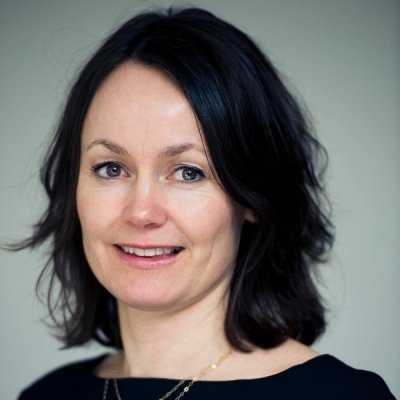
Alice Baxter
Media spokesperson Renewables and low carbon solutions in the UK